
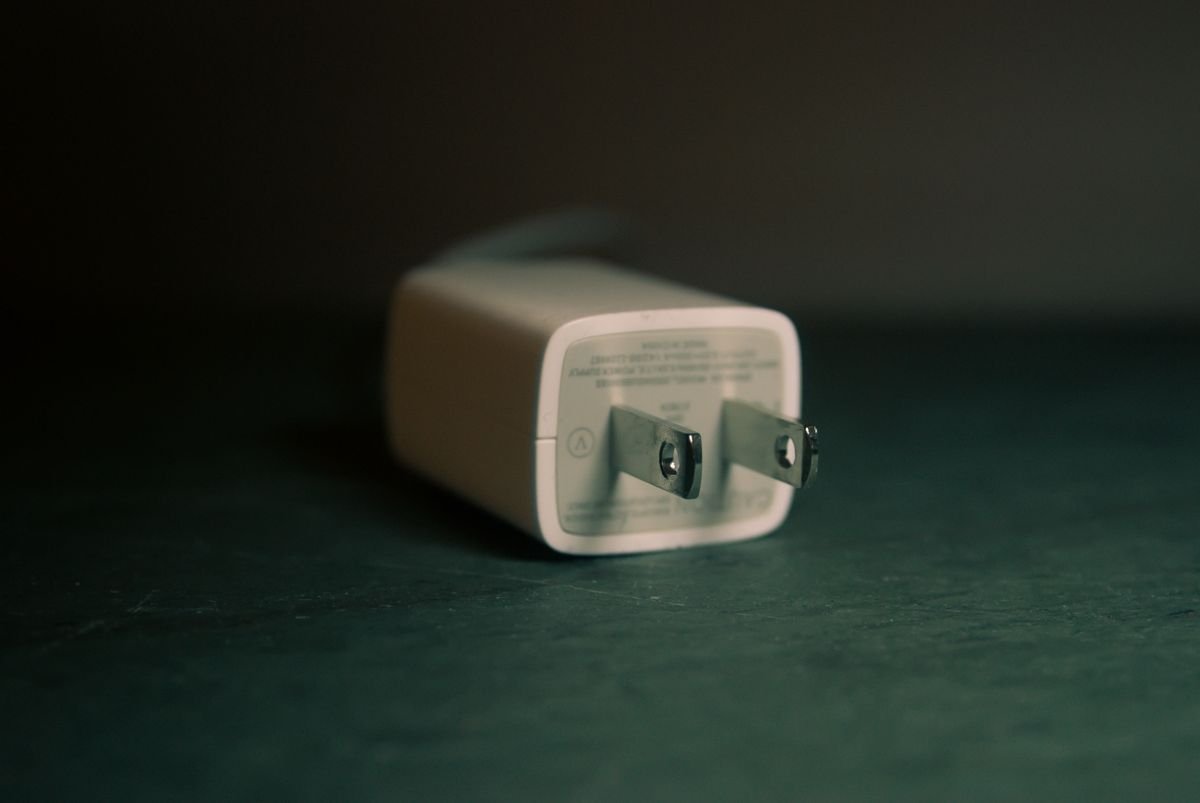
Chargers used to be simple: you plugged in your phone, waited a few hours, and unplugged it. Today the packaging is covered in terms like Power Delivery, GaN, watts, and fast charging, and it is not always clear what they mean or which ones actually matter. Understanding how fast charging really works makes it much easier to get the quickest, safest top-ups from your devices and to choose the right charger without paying for features you will never use. Here is a plain-English guide to the whole subject.
What Does Fast Charging Actually Mean?
Fast charging is a broad term for any technology that pushes more power into your battery than a basic charger, refilling it in a fraction of the usual time. A standard older charger might deliver around 5 watts, whereas a modern fast charger can offer anywhere from 20 to well over 100 watts. The result is dramatic: a phone that once took two hours to charge might reach a usable level in around twenty minutes. The catch is that fast charging only works when the charger, cable, and device all support the same underlying standard.
How Charging Speed Works
Charging power is measured in watts, which is simply volts multiplied by amps. Volts represent the pressure of the electricity and amps represent the flow, so increasing either one raises the wattage and speeds up charging. Different fast-charging systems reach higher wattage in slightly different ways, but the underlying principle is always the same. This is why you will see chargers rated by their maximum wattage, and why matching that figure to your device’s needs is the key to charging as quickly as it can safely manage without waste.
Understanding USB Power Delivery
The most important standard to know is USB Power Delivery, usually shortened to USB-PD or simply PD. It is a universal fast-charging protocol that works over USB-C and is supported by a huge range of phones, tablets, and laptops. Its clever trick is that the charger and device negotiate the ideal voltage and current between themselves, delivering the fastest safe charge for that specific device. Because it is an open standard rather than one brand’s private system, a single good PD charger can fast-charge almost everything you own, which is why it is the feature worth prioritising above all others.
Where GaN Technology Fits In
You will often see fast charging paired with the term GaN, which stands for gallium nitride. This is not a charging standard but a material used inside the charger itself. Gallium nitride is more efficient than the traditional silicon, so GaN charging allows higher wattages in a smaller, cooler package. In practice, this means a compact GaN charger can deliver the same fast speeds as a much larger old-style adapter. When you combine GaN efficiency with USB Power Delivery, you get a charger that is both genuinely fast and remarkably portable at the same time.
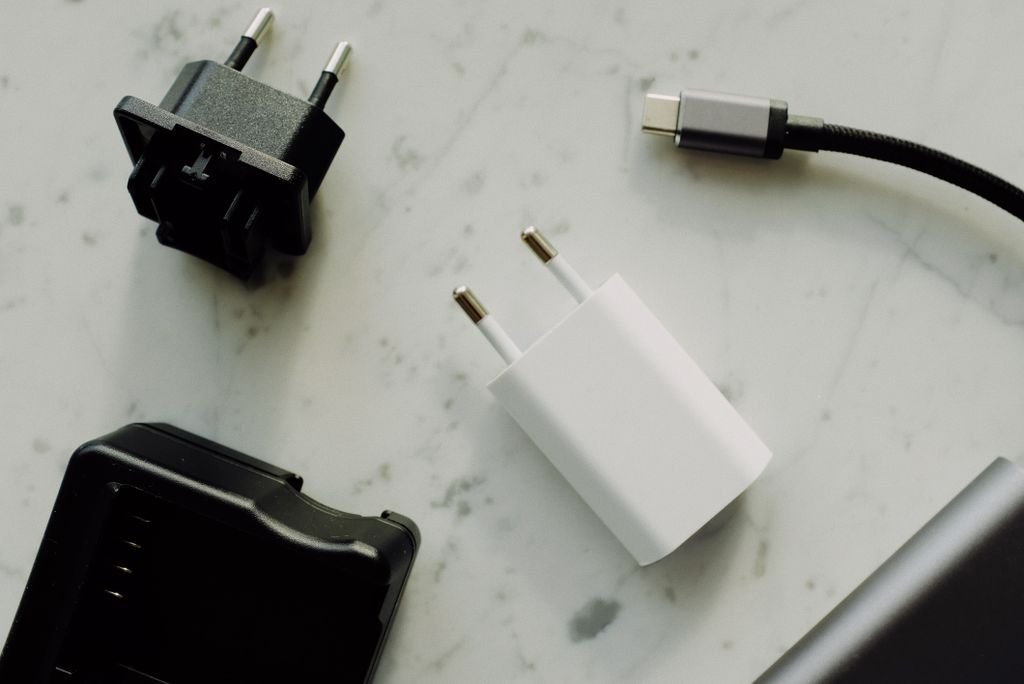
Why Your Cable Matters
It is easy to spend money on a powerful charger and then quietly undo all the benefit with the wrong cable. Cables have their own power ratings, and a basic one may not carry the high wattage that a fast charger and device can otherwise handle. For charging laptops or using very high wattages, look for a USB-C cable rated for 100W or more, sometimes marked as containing an E-marker chip. Using a properly rated cable ensures the full speed actually reaches your device rather than being throttled by the weakest link in the chain.
Fast Charging and Battery Health
A common worry is whether fast charging harms your battery over time. Modern devices are designed with this in mind, using smart charging systems that draw high power when the battery is low and gradually ease off as it fills, which protects long-term health. Heat is the real enemy of batteries, which is another reason efficient, cool-running chargers are worthwhile. Charging on a hard surface rather than a soft bed, and using quality equipment throughout, helps keep temperatures down and keeps your battery in good condition for longer.
Getting the Fastest Charge from Your Devices
To charge as quickly as possible, three things need to line up: the charger, the cable, and the device must all support the same fast-charging standard, ideally USB Power Delivery. Check your device’s maximum charging wattage and choose a charger that meets or exceeds it, then pair it with a suitably rated cable. There is no benefit to a device from a charger far more powerful than it can accept, though a higher-wattage charger is genuinely useful if you want one unit to fast-charge several different gadgets at once.
The Bottom Line
Fast charging is far less complicated once you know the key pieces: watts measure speed, USB Power Delivery is the universal standard to look for, and GaN is the efficient technology that makes fast chargers small and cool. Match your charger and cable to your device’s capabilities and you will enjoy quick, safe top-ups without the jargon ever getting in the way. The charger range from UGREEN brings USB Power Delivery and GaN together in compact designs, making it easy to find a fast, reliable charger for everything you own.
For more helpful tips and inspiration, visit 2MinuteRead.