
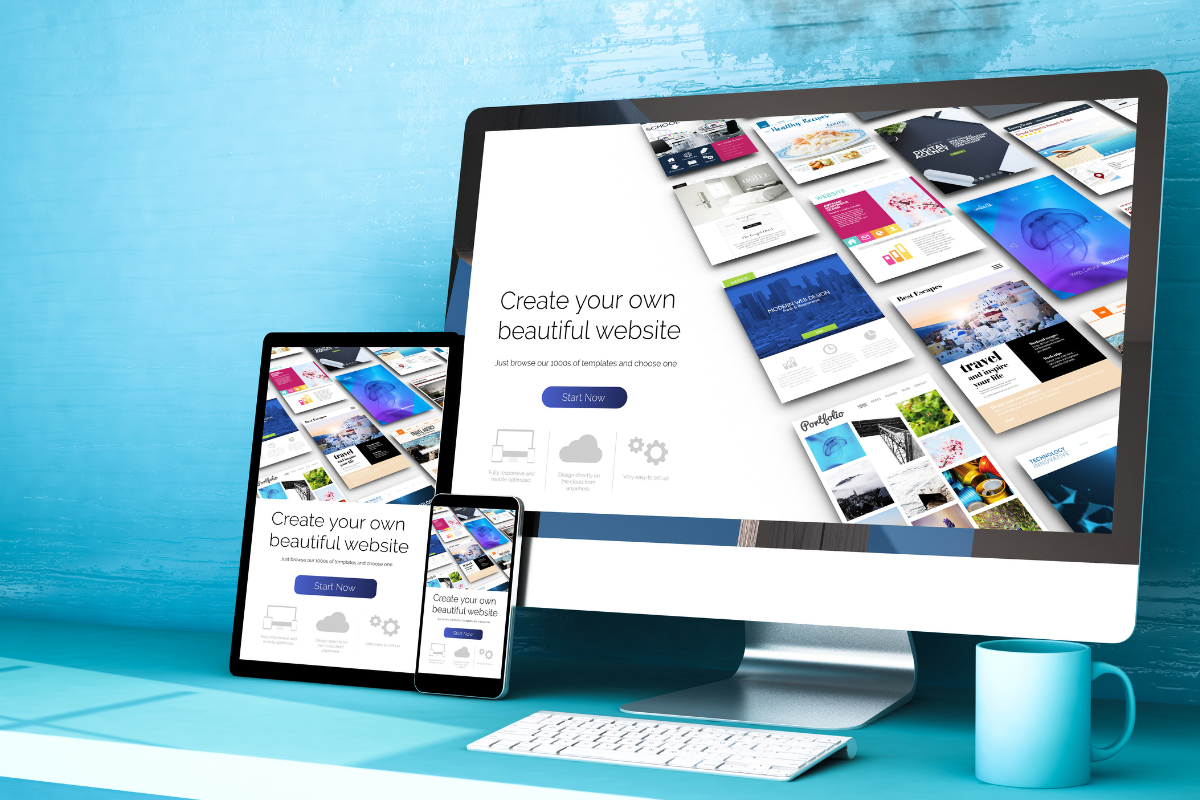
In reality, launching an online business can be a barrage of euphoric, jittery caffeine mixed with panicked feelings of, “what in the world do I do first?” You might have products, perhaps some vision- maybe even some brand color figured out. But how do you actually do store building without losing your sanity (or all the money in your account)?
Enter a website builder swooping like a superhero. Your sidekick: No computer science degree, no waiting up late trying to figure out HTML, and definitely not tears shed over problematic layouts. Whether from homemade candles or cool streetwear or digital downloads, it might just bring this whole process more into the realm of things you put together than rocket science-difficulty to building IKEA with fewer missing screws.
So if you want to set up shop online without expensive developers attached, let’s get into some genuine heart-to-heart tips for how to do just that using an online shop builder.
Essential Tips for Building a Successful Online Store
1. Keep It Simple, Keep It Human
Here’s the thing: your website isn’t just about “looking pretty.” It’s about people—your potential customers—who will land on your page, scroll a little, and then make a split-second decision: stay or leave. A website builder gives you all these shiny templates, fonts, and widgets. It’s tempting to throw them all in, like toppings at a frozen yogurt bar. But here’s my advice: don’t.
Go for a clean and fresh template that mirrors your brand vibe. Minimal, bold, artsy-it doesn’t matter-as long as it feels authentic to you. The beauty of a drag-and-drop store builder is that you can keep rearranging until the design feels right. Have fun; just remember: The less clutter, the clearer the message.
2. Create a Brand Experience, Not Just a Store
This one’s huge. People don’t buy just products anymore; they buy into a story, a feeling, a connection. A good website builder gives you the canvas, but you’ve got to paint the picture. Use your homepage to tell your “why.” Why did you start this? Why does it matter?
And do not shy away from showcasing your personality. Create some fun descriptions for your products, use pictures representing your brand, and include words that express “you.” This is where store design software can help you customize layouts, fonts, and color schemes until everything screams your brand identity.
3. Think Mobile First (Because That’s Where We All Are)
When was the last time you ordered something on a desktop computer? Probably at work, sneaking in a little shopping break. But on your phone? Probably yesterday. Maybe even this morning. That’s exactly why you need to make sure your store looks amazing on mobile.
Thankfully, every decent website builder today has mobile-responsive designs baked in. But don’t just assume it’s your job to test it. Open your site on your phone, your mom’s tablet, even that ancient laptop that still runs on Windows XP. If it looks good across the board, you’re golden.
4. Nail the Navigation
Picture going into a supermarket, where bread is next to shampoo, and apples are tucked away behind furniture. Very annoying! Your online store navigation should never feel like that.
The right website builder lets you design menus and categories that make sense. Think: Shop by Category, About Us, Contact, maybe a Blog if you’re into storytelling. Keep it simple, keep it obvious. People don’t want to “hunt” for what they came for. They want to glide straight to it.
5. Don’t Skimp on Photos and Copy
Let’s reiterate it for now: A website builder provides you with structure, but your images and words give life to it. Really good product images crisp, clear, and possibly lifestyle shots actually will make all the difference. And your copy? No more robotic stuff; talk like a friend.
Rather than saying, “women’s cotton t-shirt blue”, you might say, “This is your new-favorite tee-soft for Sunday mornings, cool for Saturday nights.” This is the difference between browsing and buying.
6. Build Trust From the Get-Go
Online shopping is still a trust exercise. People are handing over their money (and credit card details) to someone they’ve never met. A website builder makes it easy to add customer reviews, FAQs, and even trust badges. Don’t skip those.
Oh, and please—make your contact info easy to find. Nothing kills credibility faster than a mysterious brand with no way to reach them.
7. Test, Tweak, Repeat
Launching your site is just the beginning; now think of opening the show; you will see what works, what doesn’t, and where the audience gets confused. Luckily, most ecommerce website creator platforms include analytics. Use them! See where people drop off, what pages they linger on, and which products get love.
And don’t be afraid to tweak. The beauty of an easy online store builder is that changes don’t require hiring a developer. Want to switch your banner? Update a price? Add a new collection? Boom—done in minutes.
8. Make Checkout a Breeze
Here’s the harsh truth: abandoned carts are the bane of every online seller’s existence. You could have the prettiest site in the world, but if the checkout is clunky, people will bail.
When choosing a website builder, test the checkout process like you’re a customer. The fewer clicks, the better. Offer guest checkout (not everyone wants to create an account), and make payment options clear. Bonus points if you can add Apple Pay, Google Pay, or PayPal—because we’re all lazy and love one-click buying.
9. Lean Into SEO and Marketing Tools
Building a website is one aspect; promoting it so that real people find and use it is another. Most website builders include these cool built-in SEO tools for things like editing meta-descriptions or adding alt text for an image or generating sitemaps. Please use them.
Pair that with email marketing integrations, discount codes, and maybe even a blog, and you’ve got a recipe for visibility. A build online store tool that helps you grow—not just exist—should be at the top of your list.
10. Remember: Progress Over Perfection
Another thing: do not get into the trap of perfectionism. Sure, you want your site to hold up as stunning, but the practice of keeping it painfully out of the limelight until it is absolutely, 100% perfect is, indeed, procrastination. The benefit of a Website builder is that it allows you to customize-the site now and improve it later.
There is always the possibility that your first version may not be your best final version. You learn, adapt, and grow. That’s the beauty of working online: nothing is cast in stone.
Wrapping It Up
Creating a successful website is not that much a matter of having a good grasp of technology. It is about authentic presence, right tools, and honest connection with customers. A great Website builder takes care of the hard stuff while you focus on what you really love selling, story-telling, and brand expansion.
You’ve perhaps heard of all the ways in which online application services such as Shopify can provide user-friendly, customizable platforms with options for growth. The right platform, after all, can be instrumental in building a business-not just a shop, but a dream.
For more insights on website design, online selling strategies, and tools that make e-commerce easier, visit 2minuteread.