
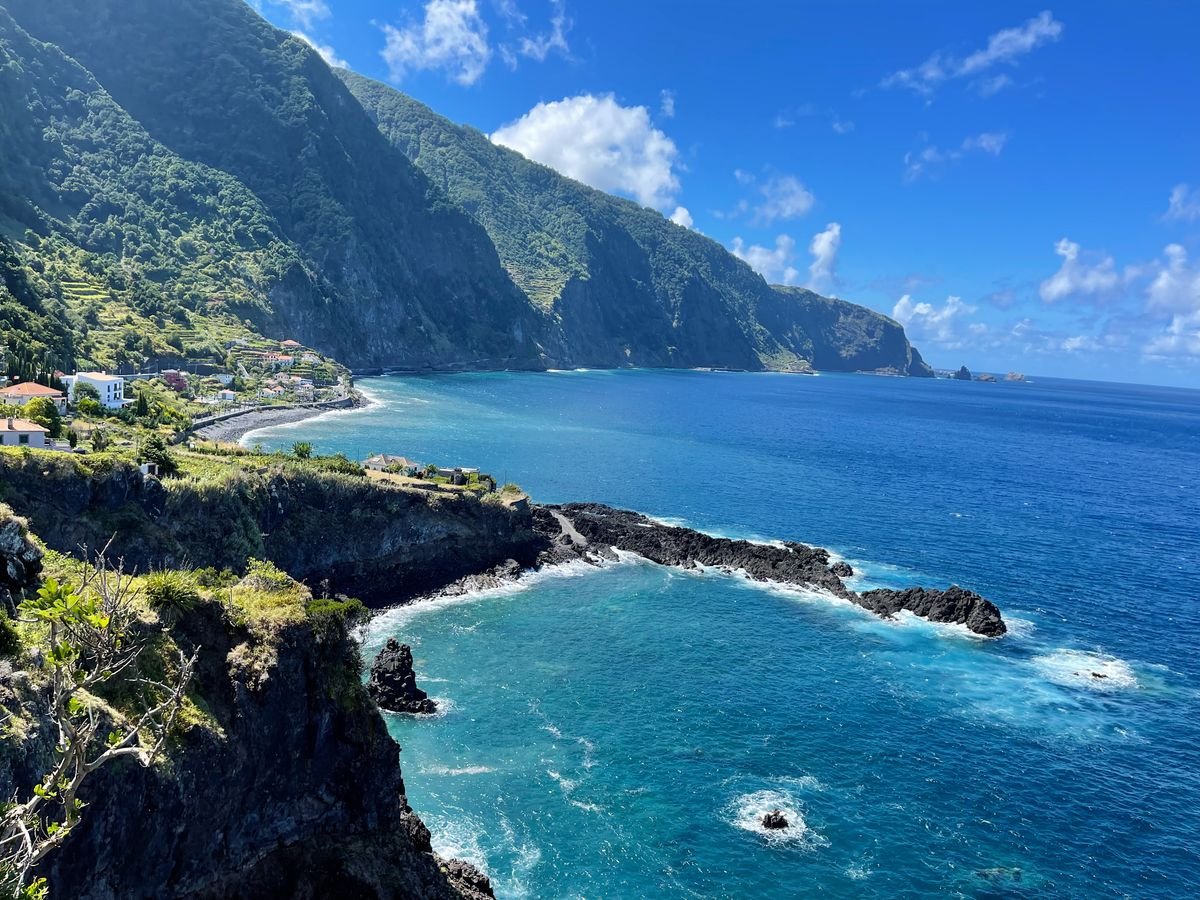
Madeira is a volcano that stopped a long way out in the Atlantic, and it behaves like one. There is no flat. Roads climb in hairpins, villages sit on ledges, and the north coast gets weather the south coast knows nothing about. It also sits far enough south that February is mild and green rather than grey, which is the island’s quiet advantage over everywhere else Europe flies to.
What it does not have is sand. Swimming here happens instead from sea platforms, tidal lidos and volcanic rock pools, which is better than it sounds and nothing like what a Mediterranean brochure trains you to picture.
For Walkers
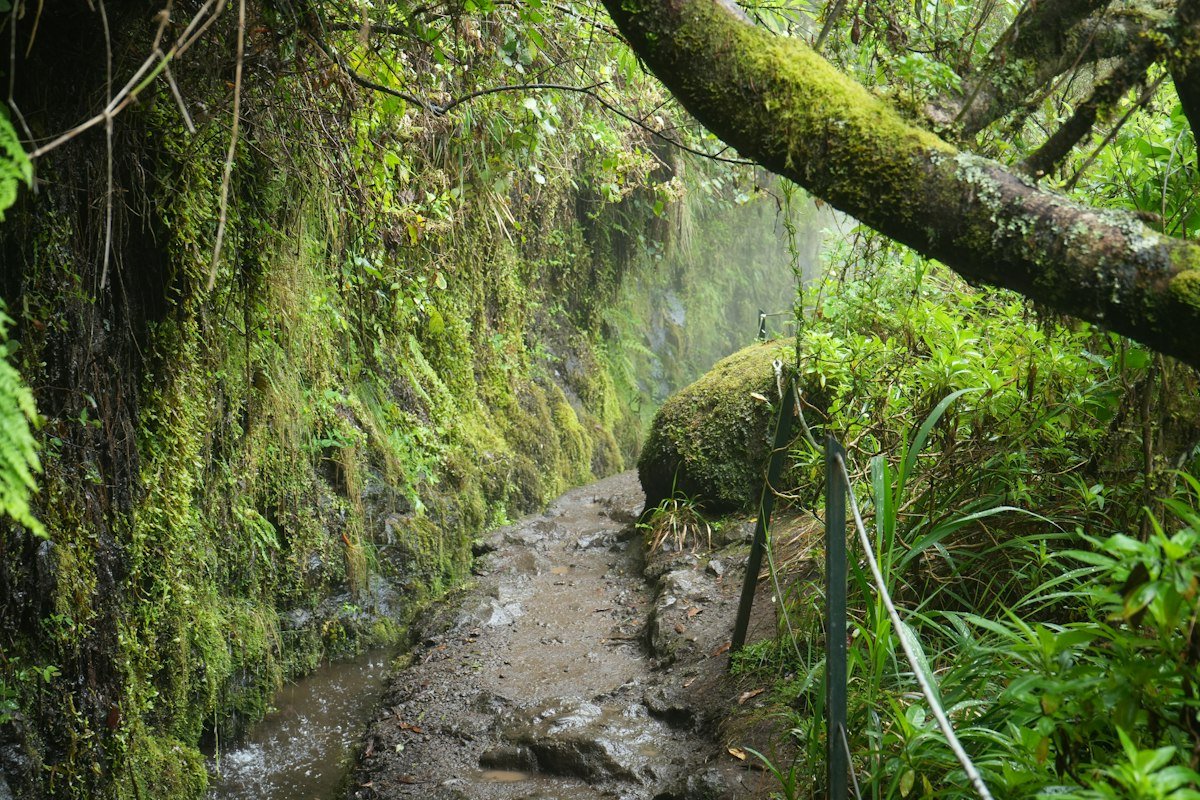
The levadas are the reason most people come. They are irrigation channels, hand-cut into the mountainsides over five centuries, with a maintenance path running alongside each one — which means hundreds of miles of near-level walking through terrain that is anything but. Some are gentle woodland strolls; others involve tunnels, torches and a head for heights.
Quinta Splendida Wellness and Botanical Garden
A restored nineteenth-century estate at Canico set inside its own botanical gardens — a quinta, which is the local term for a country house turned small hotel. Traditional, quiet, with a spa for afterwards. The right base for a week of walking where you want the evenings to be entirely still.
Pestana Carlton Madeira Premium Ocean Resort
Waterfront in Funchal and set up for an active stay, with activities on site and the mountains starting more or less behind the building. Funchal’s festivals and restaurants are on hand for the evenings, which the more remote options cannot offer.
For Swimmers
With no beaches to speak of, Madeira built its swimming instead — sea platforms, tidal lidos and the natural volcanic pools at Porto Moniz on the north coast, where the Atlantic refills them with every set. It is better swimming than sand ever is, as long as you know that is what you are booking.
VidaMar Resort Madeira
Contemporary architecture in Funchal built to pull in as much light as possible, an infinity pool over the sea, and direct access to the water from the largest sea platform on the island. If swimming every day is the point of the trip, this is the most direct answer on Madeira.
The Views Oasis
At Canico, with direct access to a pebble beach — a genuine rarity here — plus a pool terrace angled at the sunsets and shops and bars within walking distance. Quiet without being isolated, and the transfer is included.
For Winter Sun
Madeira’s winter sits in the high teens and sometimes the low twenties, with the sun out and the island at its greenest. Flights run all year, December brings one of Europe’s larger New Year firework displays over Funchal harbour, and the hotels stay fully open rather than half-shuttered the way Mediterranean resorts do.
PortoBay Santa Maria
Adults only, in Funchal Old Town facing the Atlantic, with streets of local restaurants and bars immediately outside and a serene pool area for when you have had enough of them. Its roof is one of the better places in the city to watch the Atlantic Festival fireworks. The strongest argument for a winter week in the Atlantic rather than a summer one.
Three Things Worth Knowing Before You Book
- The two coasts have different weather on the same day, routinely. If Funchal is clouded in, drive twenty minutes over the ridge and it often is not, which is worth remembering before writing off a grey morning.
- A hire car transforms the island, but the roads are steep, narrow and heavily tunnelled. The transfer that comes with a package handles the airport run, which is the genuinely exposed bit of driving here.
- Funchal is a proper city, with a working market and restaurants worth planning an evening around, so full board can turn out to be a false economy.
Which Madeira You Want
Levadas and quiet, platforms and sunshine, or a mild green January — this Atlantic outpost does all three, and your base is really a choice between them. Jet2holidays operates all year and handles the mountain roads for you. Out-of-season thinking fills a lot of 2minuteread.