

A city break has a maths problem. Three nights is enough time to see a city properly and not nearly enough to absorb a bad decision about where you sleep. Twenty minutes further out than you meant to be, multiplied by four walks a day, is most of an afternoon gone by the time you fly home.
Which is why the hotel matters more on a short trip than a long one. Distance from the thing you came to see is the whole specification. Everything else — the breakfast, the decor, the rooftop — is a bonus you may not have time to use.
Rome
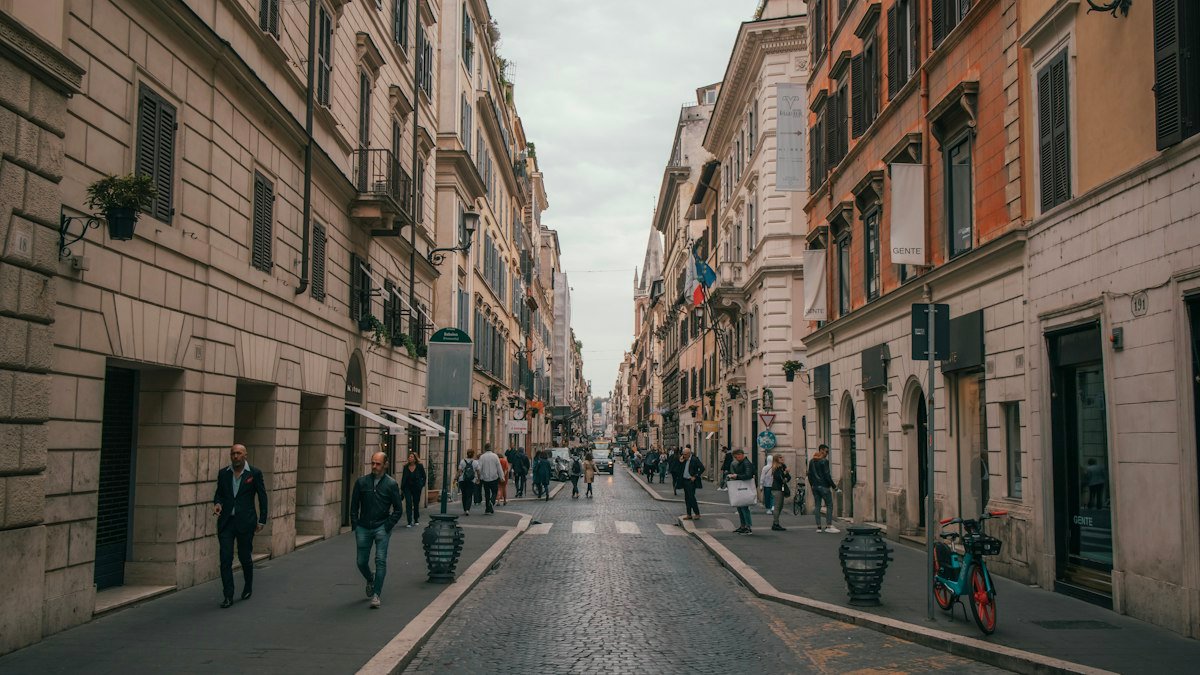
Rome rewards walking and punishes scheduling. The sights are close together but the streets are not straight, so plan two fixed things a day and let the rest happen. Three nights covers the Colosseum, the Vatican and one long aimless afternoon, which is the correct ratio.
W Rome
A historic palazzo on the outside and something considerably bolder inside, with a rooftop plunge pool and a cocktail lounge that occasionally gets a live DJ. The least restrained option here, and deliberately so.
Door to door: 700m to the Spanish Steps, which makes the centre a walk rather than a journey.
Des Artistes
Traditional, comfortable and built for people who are out all day — a rooftop terrace and a proper breakfast buffet. The sensible base rather than the memorable one, which on three nights is often the better trade.
Door to door: 110m to the nearest bus stop, 550m to the National Roman Museum.
Prague
Prague is the most walkable of the three and the one where the river does the work. Cross Charles Bridge early, before the crowds and the caricaturists, and the city looks the way it does in photographs. Two nights is enough; three lets you cross to the castle side without rushing.
Michelangelo Grand Hotel
Right in the historic centre, which in Prague means everything worth seeing is on foot. It also has a traditional beer spa, a thing that sounds like a novelty and turns out to be one of the better ideas in central Europe.
Door to door: 600m to Wenceslas Square, 900m to the Old Town Square.
Botanique Hotel Prague
A greener, calmer proposition a little further out, with bright rooms, organic amenities and a coffee machine that matters more than it should at seven in the morning. Trades a few minutes of walking for a considerably quieter night.
Door to door: 220m to the metro, which does the heavy lifting; 1.6km to the Old Town Square on foot.
Krakow
Krakow has the largest medieval market square in Europe and a castle on a hill above the river, and the whole of it fits inside a ring of parkland you can walk around in an hour. It is also the base for Auschwitz-Birkenau, which is an hour and a half away and needs a whole day and some emotional room around it.
Leonardo Boutique Hotel Krakow Old Town
Modern rooms in a position that makes the short-break arithmetic work without any effort at all — this is as central as Krakow gets without being in the square itself.
Door to door: 400m to Wawel Royal Castle, 400m to the Planty park ring, 700m to the Main Market Square.
What a Packaged Short Break Actually Saves You
Booking flights and a hotel separately for three nights usually costs an evening of comparing tabs and produces two confirmations that have no relationship to each other. A package puts the flights, the room and the baggage on one booking with financial protection attached, which on a short trip is most of the admin gone.
It also tends to settle the airport question. The hotels above all sit near transport links by design rather than coincidence, and a city break package is usually built around that. For three nights, the time saved is a meaningful fraction of the trip.
Picking the City
Rome for the sights, Prague for the river, Krakow for a compact square and a serious day out. None of the three needs a car. Jet2holidays puts the whole short break on one confirmation. We keep pulling apart weekends like these at 2minuteread.