
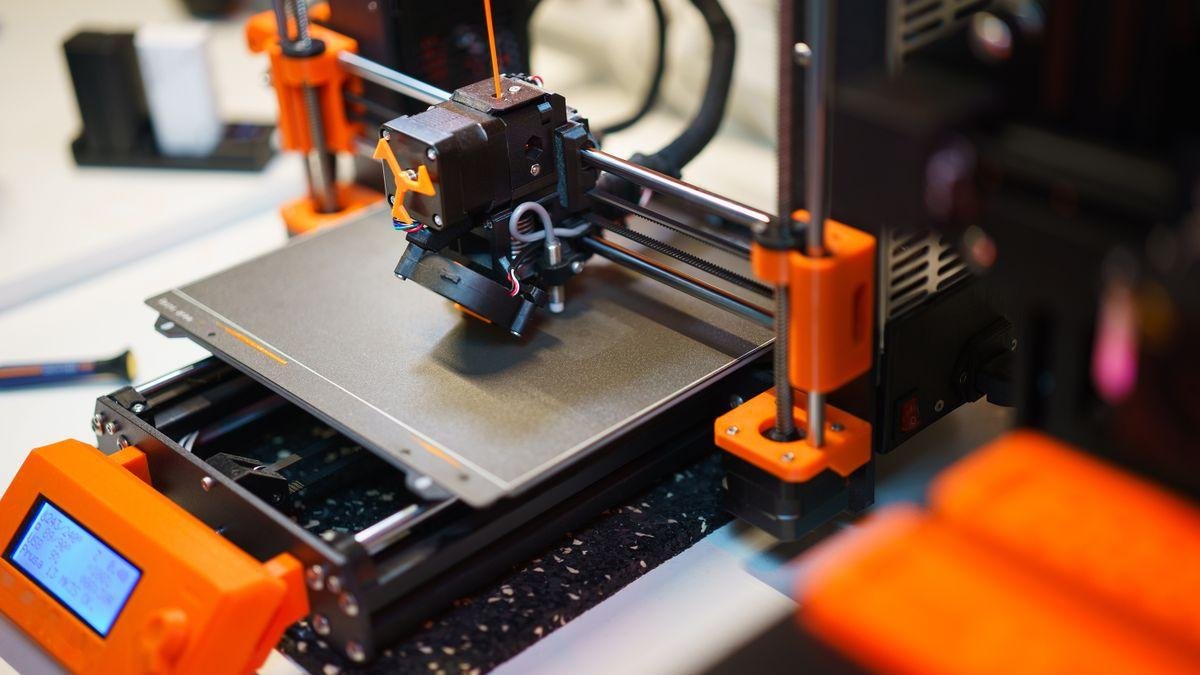
Ask anyone who started 3D printing a few years ago what nearly made them quit, and the answer is usually bed leveling. Getting the nozzle exactly the right distance from the build plate used to mean sheets of paper, tiny screws and a lot of failed first layers. Today a good beginner 3D printer handles that automatically, so the first print you send is far more likely to come out right. With Black Friday deals running all month, it is the ideal time to start.
Why Automatic Bed Leveling Matters So Much
Every print starts with its first layer. If the plate sits slightly too far from the nozzle, plastic will not stick and the print curls up. Too close, and the filament gets squashed or the nozzle scrapes the surface. Automatic leveling uses sensors to measure the plate and correct for tiny differences in real time, which removes the most common cause of beginner frustration. Combined with a flexible build plate that pops finished prints off with a gentle bend, it makes 3D printing feel closer to pressing print on a paper printer.
Choosing Between Open, Enclosed and Multicolor
Beginner printers now come in three broad styles. An open-frame printer is the most accessible and gives easy access to the print for watching and clearing parts. An enclosed printer adds a cabinet that holds heat, filters the air and lowers noise, which is useful in a shared room and essential for tougher plastics. A multicolor printer adds an automatic filament system so a single model can include several colors. All three now level the bed for you, so the decision comes down to where the printer will live and what you want to make. If you are unsure, an easy 3D printer for beginners with an open frame is a forgiving place to start, and you can add an enclosure kit later.
The Starter Printers and Add-Ons Worth a Look
These five picks cover an open-frame starter, an enclosed upgrade, a multicolor option and the two extras every new owner ends up buying. All of them feature in this month’s 3D printer Black Friday deals.
Adventurer 5M
This is the classic entry point and one of the best-selling starter printers around. Its Automatic Datum Management system measures and levels the bed for you, with no manual calibration at all. A CoreXY metal frame moves the print head quickly and steadily, with travel speeds up to 600 mm/s and acceleration up to 20,000 mm/s², so prints finish in a fraction of the time older machines needed. The direct-drive nozzle heats to 200°C in about 35 seconds, and quick-swap nozzles in four sizes come off in seconds without tools. A removable PEI steel plate, a filament runout sensor and power-loss recovery round out a printer that is easy to live with, and its 220 mm cube build volume suits most household projects.
Adventurer 5M Pro
The Pro shares the same speed and build size but adds a fully enclosed chamber. That keeps temperatures steady, which opens the door to ABS and ASA alongside PLA and PETG, and a HEPA and activated carbon filter cleans the air inside. A built-in camera lets you watch prints remotely and record time-lapses. For families printing in a shared space, the enclosure is a big plus.
AD5X
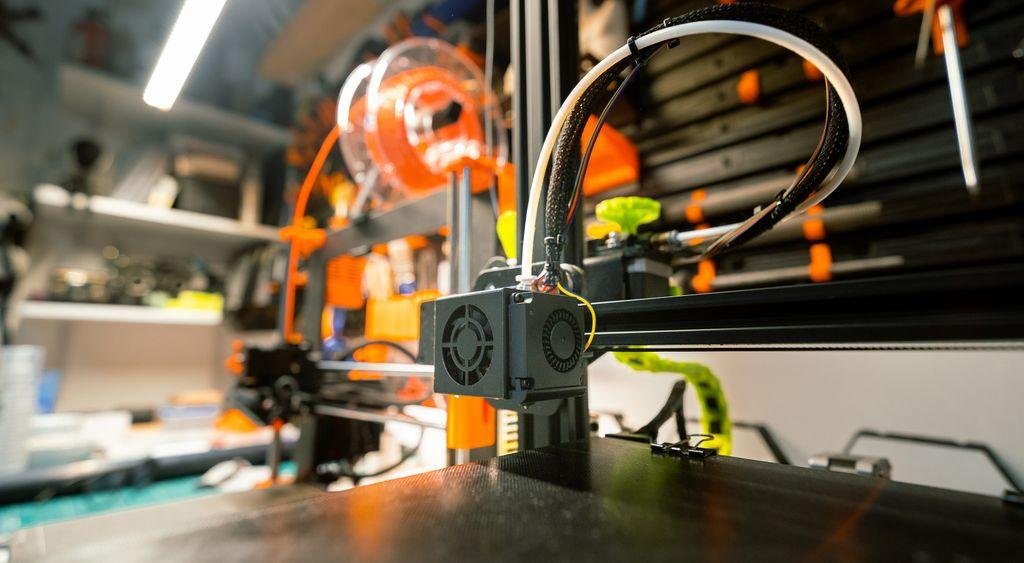
For a beginner who wants color from day one, this printer builds a four-color filament system into the machine itself, with no separate feeder box. It levels the bed with one click, prints at up to 300 mm/s and uses the same quick-release nozzle idea as the 5M series.
PEI Build Plate
A spare plate is the first accessory most owners buy. This dual-sided plate offers a textured PEI side for strong grip and easy release, and a smooth side that leaves a glossy finish on the underside of prints. It fits both the AD5X and the 5M series.
HS PLA Filament
High-speed PLA is made to keep up with fast printers, rated for up to 350 mm/s. It prints at 190 to 240°C, comes in more than 30 colors and is the easiest material to learn on.
Your First Week Checklist
- Start with the sample models stored on the printer to confirm everything works.
- Keep PLA sealed with desiccant when not in use so it stays dry.
- Clean the build plate with warm soapy water if prints stop sticking.
- Try the slicer’s default profiles before changing settings.
- Download one useful household model, such as a cable clip or hook.
Final Thoughts
Automatic leveling has turned 3D printing into a hobby anyone can pick up. Choose the auto bed leveling 3D printer that matches how you want to print, add a spool of high-speed PLA, and you will be holding your first finished model within an hour of unboxing.
All five picks come from Flashforge, whose Black Friday sale runs until November 30 with printer discounts applied automatically, a 30-day price guarantee and savings on filament and accessories.
Fancy more quick guides like this one? Have a browse around 2minuteread.