
Cameras get bought by specification and placed by guesswork, which is why so many homes end up with a perfect view of an empty fence and nothing on the path people actually use. The useful way round is to start with the approaches — the front step, the side return, the drive, the room the back door opens into — and let each position decide the device. Do that and the device list more or less writes itself. Three well-chosen positions usually cover a whole house, and keeping them on one app matters more than the specification of any single unit, because a home security camera setup should read as a single picture rather than four unrelated feeds.
The Front Step Does the Most Work
More happens at the front door than anywhere else on a property — deliveries, callers, the neighbor returning something, the occasional person trying handles. The ADT Blu Doorbell Camera adds two-way audio to that, so you can answer from the office as easily as from the hallway.
Outside, Where the Light Changes
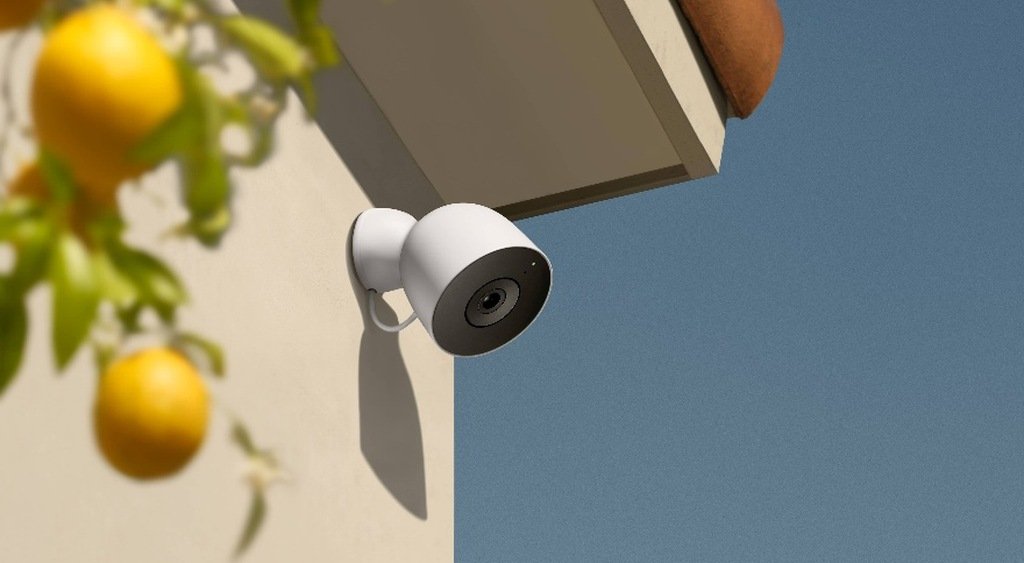
Beyond the door, the problem shifts from identifying people to seeing anything useful at all. Driveways and side paths are wide, poorly lit and full of things that move — branches, cats, headlights sweeping a wall. Cameras made for that position carry weather resistance and detection designed to tell a person from a passing animal, the ADT Blu Outdoor Camera among them, which is what stops the phone buzzing all night for nothing and keeps the alerts worth reading. Height and angle matter more than resolution here: mounted above head height and pointed along a path rather than across it, one outdoor security camera covers more ground than two placed badly.
Keeping an Eye on Things Indoors
Having covered the outside, most people stop. That usually leaves the part of the house they care about most with no coverage at all.
Inside, a camera is rarely about intruders. It is the sleeping baby, the elderly parent, the dog that has worked out how to open the bin, or simply the reassurance that the house is as still as it should be while you are out. The ADT Blu Indoor Camera is wired into a standard outlet with a 130-degree field of view and 1080p 2K resolution, which is enough to take in most rooms from one corner. The ADT+ app then pulls the feeds together on a screen you pass anyway, so checking becomes a glance rather than a task. Run the whole set through indoor security cameras and the outdoor ones on one account and there is no mental arithmetic about which app shows which door.
Putting the Positions Together
Work outward from the door, cover the approaches rather than the boundaries, and put one camera indoors for the thing you would actually want to look at. Three well-placed video doorbells and cameras will tell you more about a house than six arranged around its edges, and the difference shows the first time you check a late alert and know within seconds whether it mattered.
If the rest of the house could use the same thinking, 2minuteread covers it room by room.