
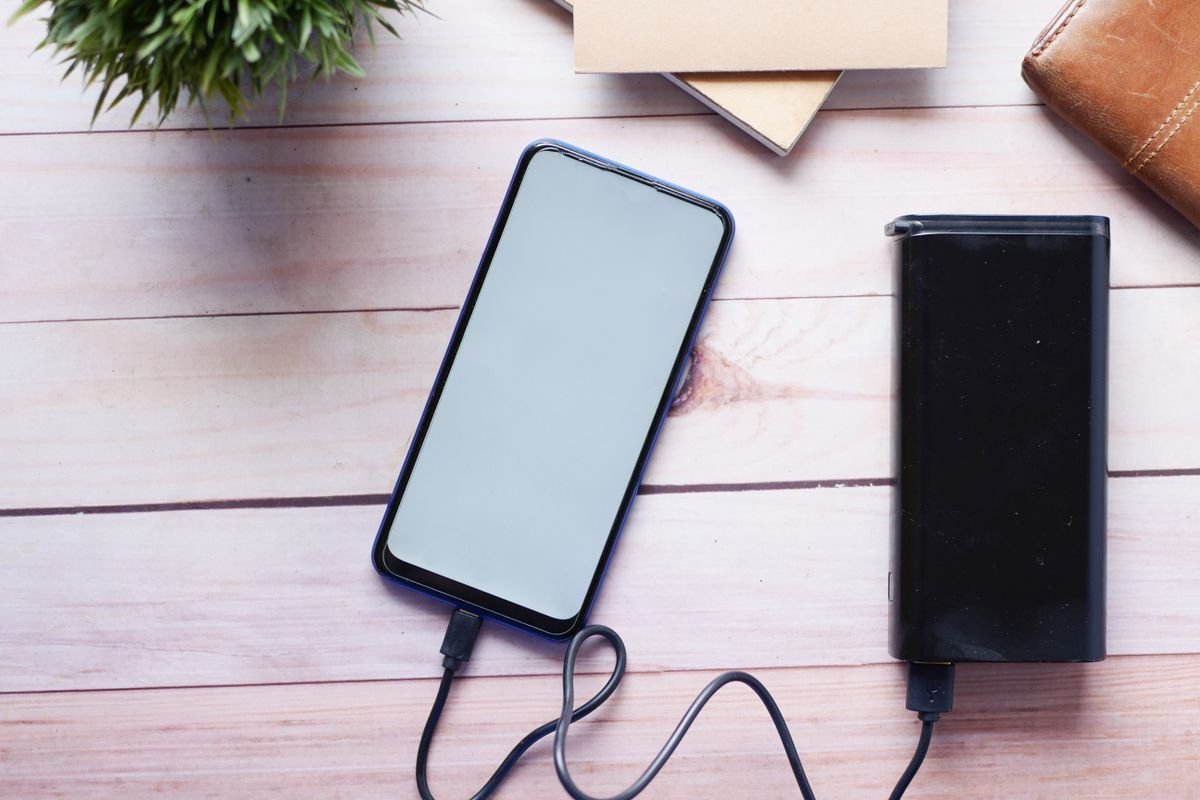
There are few things more stressful on a trip than watching your phone battery drain to single digits with a boarding pass, a map, or a hotel booking still to load. A reliable power bank is the simplest insurance against that moment, keeping your devices alive through long travel days when a wall socket is nowhere to be found. Not every portable charger is built for the road, though, and choosing the right one means balancing capacity, speed, size, and a few rules you may not have considered. This guide covers everything you need to travel with confidence.
Why a Power Bank Is Essential for Travel
Travelling leans on your phone far more than everyday life does. You rely on it for navigation, tickets, translation, photos, and staying in touch, often for hours at a stretch with no chance to recharge. Airports, trains, and long sightseeing days rarely offer a convenient socket exactly when you need one. A power bank frees you from hunting for outlets and lets you use your devices confidently, knowing a top-up is always waiting in your bag. For many travellers it quickly becomes as essential to pack as a passport or a wall charger.
Understanding Capacity and What mAh Means
Capacity is measured in milliamp hours, or mAh, and it tells you roughly how much charge a power bank holds. A 10,000mAh unit will typically recharge a modern phone around two times, while a 20,000mAh model can manage three or four phone charges or give a tablet a meaningful boost. For a weekend away, 10,000mAh is often plenty and stays pleasantly light in a pocket. For longer trips, or if you also carry a laptop, stepping up to 20,000mAh or beyond makes far more sense despite the extra weight it adds.
Airline Rules You Need to Know
This is the step travellers most often overlook, and it matters. Power banks contain lithium batteries, so airlines require them to be carried in your hand luggage rather than checked baggage, and they set limits based on capacity. Most units up to 100Wh, which covers the vast majority of everyday power banks including large 20,000mAh models, are allowed without special approval. Very high-capacity units may need airline permission or be barred altogether. Checking the Wh rating printed on the device before you fly saves an awkward conversation at the security gate.
Charging Speed and Power Delivery
Capacity is only half the story; how fast a power bank refills your devices matters just as much on a tight schedule. Look for support for fast-charging standards such as USB Power Delivery, which can take a phone from empty to a usable level in a short coffee break. If you want to charge a laptop, check the power bank offers enough wattage through its USB-C port to do so comfortably. A unit that also recharges itself quickly means less time tethered to a wall the night before an early start.
Ports and Charging More Than One Device
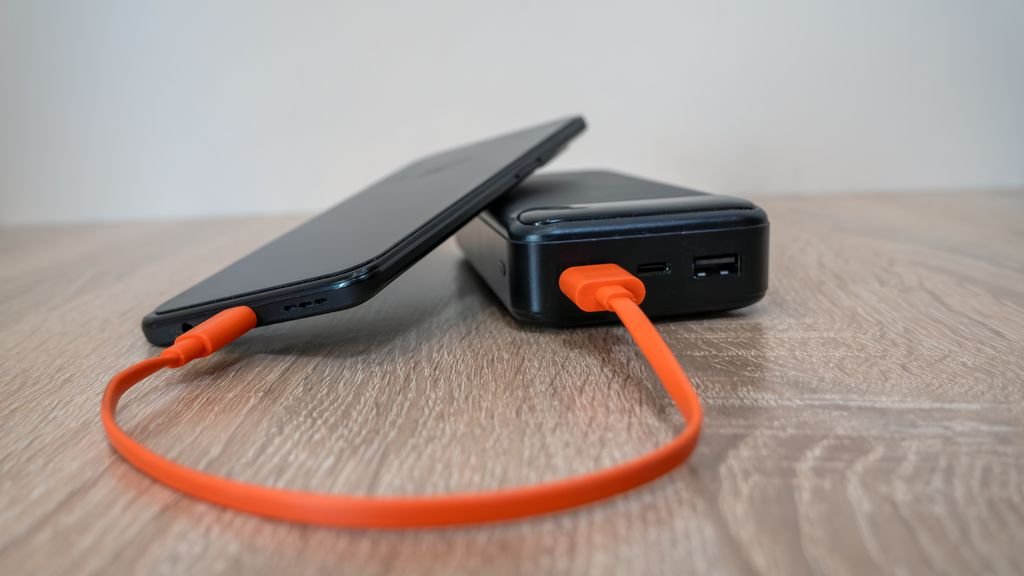
Travelling rarely means charging just one thing. Between a phone, wireless earbuds, a smartwatch, and perhaps a travelling companion’s device, multiple ports are a genuine convenience. A power bank with a couple of USB-C and USB-A outputs lets you top up several gadgets at once, which is invaluable in a hotel room with a single free socket. Some models even support passthrough charging, so they can top up your devices while being recharged themselves overnight, ready for the day ahead.
Size, Weight, and Portability
The best power banks for travelling strike a careful balance between capacity and bulk. A huge battery is reassuring but heavy, and every gram counts when you are carrying it around all day. Think about how you actually travel: a slim 10,000mAh unit slips into a pocket for city breaks, while a sturdier 20,000mAh model suits longer adventures where recharging is uncertain. Features like a built-in cable or a genuinely pocketable shape can matter as much as raw capacity once you are out exploring.
What Makes the Best Power Bank
Beyond the headline numbers, the best power bank for travel combines dependable safety features, solid build quality, and honest capacity ratings. Look for protection against overcharging and overheating, a reputable brand, and a clear warranty you can fall back on. A useful digital display showing remaining charge takes the guesswork out of whether you have enough power for the day. These details separate a charger you can trust on an important trip from one that lets you down at the worst possible moment.
How to Choose the Right Portable Charger
Start with the length of your trips and the devices you carry, which together point you to the right capacity. Confirm the unit stays within airline limits, then check it charges your devices quickly and has enough ports for everything you travel with. Finally, weigh it against portability, choosing the lightest model that still meets your requirements. A portable charger chosen this way will feel perfectly matched to how you travel rather than an awkward compromise you regret packing.
The Bottom Line
A power bank is one of the smartest things you can pack, turning battery anxiety into a non-issue and letting you make the most of every travel day. Match the capacity to your trips, respect the airline rules, prioritise fast charging and enough ports, and always keep an eye on weight. The travel-friendly range from UGREEN offers compact, high-capacity options built for exactly this kind of use, making it a great place to find a charger you can rely on wherever the journey takes you.
For more helpful tips and inspiration, visit 2MinuteRead.