
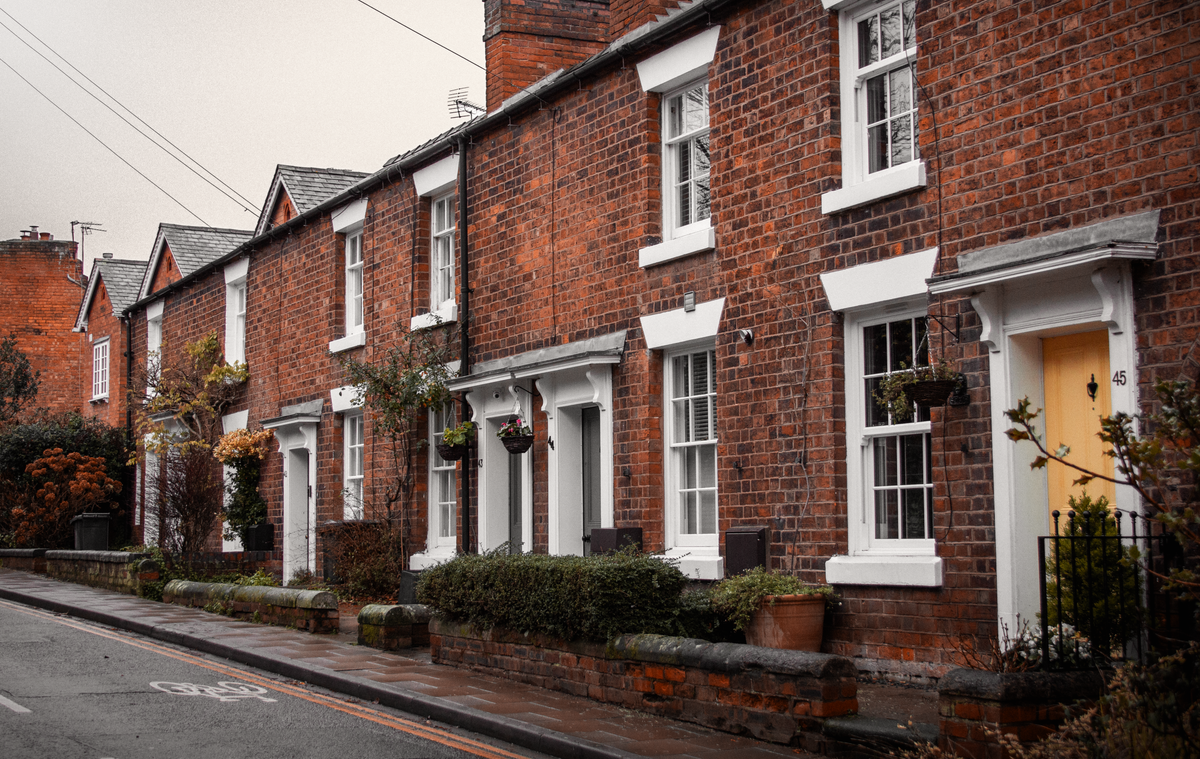
Buying your first home comes with a long to-do list, and insurance usually lands on it just before completion day. Most mortgage lenders expect buildings cover to be in place from the moment you take ownership, so it is not something to leave until the boxes are unpacked. The good news is that home insurance is far simpler to set up than it used to be, as long as you understand what each type of cover does.
This guide compares the three main options, then gives you a short checklist to work through before you get the keys.
Contents, Buildings or Both?
Home insurance in the UK is made up of two separate covers that can be bought alone or together.
| Contents insurance | Buildings insurance | Buildings and contents | |
|---|---|---|---|
| What it protects | Your belongings: furniture, electronics, clothes, jewellery | The structure: walls, roof, fitted kitchen, permanent fixtures | Both the structure and everything inside it |
| Who usually needs it | Renters and homeowners | Homeowners, often a mortgage requirement | Most homeowners who own their contents too |
| Liability included | Personal liability | Owner’s liability | Both |
| If you have to move out | Temporary accommodation | Alternative accommodation | Covered under the combined policy |
For most first-time buyers, combined buildings and contents insurance is the easiest route, because one policy protects both the house and the life you are building inside it. If you are buying a leasehold flat, check first whether the freeholder already insures the whole block; you may only need contents cover.

What Buildings Cover Should Include
A good buildings policy has three built-in parts:
- Rebuild cost. Some policies now offer unlimited rebuild cost, so you do not have to estimate a sum insured and risk being underinsured.
- Alternative accommodation. Hotel or short-let costs, plus extra food and laundry, while your home is repaired.
- Owner’s liability. Protection if you are legally responsible for injury or damage to others as the owner of the property.
The covered perils usually include escape of water from burst pipes or leaks, fire and smoke, burglary and vandalism, subsidence, and storms, floods and other extreme weather.
The Pre-Completion Checklist
Work through these points in the weeks before you collect the keys.
1. Start cover on completion day
Buildings insurance normally needs to begin on the day you legally own the property, not the day you move in. Set the start date to match your completion date.
2. Get the property details right
Information such as the type of construction, floor area and year built feeds into the rebuild calculation. Use the details from your survey, and remember to tell your insurer later if you add an extension.
3. Choose your excesses
Many buildings policies ask you to set two separate excesses: a general excess and a separate one for escape-of-water claims. A higher excess lowers your premium but means paying more towards a claim.
4. Decide which extras to switch on
Common optional extras include home emergency cover for a 24/7 call-out when the boiler breaks down, the drains block or you lose your keys; legal protection for disputes such as neighbour nuisance; accidental damage cover for DIY mishaps such as drilling through a pipe; and a household member extension so a partner or family is covered too. Some insurers let you switch add-ons on and off in an app as your needs change.
5. Know the common gaps
Buildings insurance does not cover gradual wear and tear or poor maintenance, so keep up with small repairs. Boiler breakdowns are usually only covered with home emergency cover, and DIY accidents only with accidental damage cover.
Why Combined Cover Makes Sense for New Owners
First homes tend to fill up quickly with new sofas, appliances and electronics. Insuring the building and its contents together keeps everything in one policy, one renewal date and one place to claim, which is easier to manage in a busy first year. Review your cover once a year, especially after big purchases or home improvements, so it keeps pace with your home. It is also worth keeping a simple list of what you buy for the new place, with receipts or photos, so that if you ever need to claim you can show what you owned and what it would cost to replace.
Wrapping Up
Put buildings cover in place for completion day, add contents cover for everything you own, and choose the extras that match how you live. With the right buildings insurance and contents cover working together, your first home and everything in it is protected from day one.
Combined buildings and contents cover like this is available from Lemonade. Settling into a new place? Browse the quick homeowner reads on 2minuteread next.