
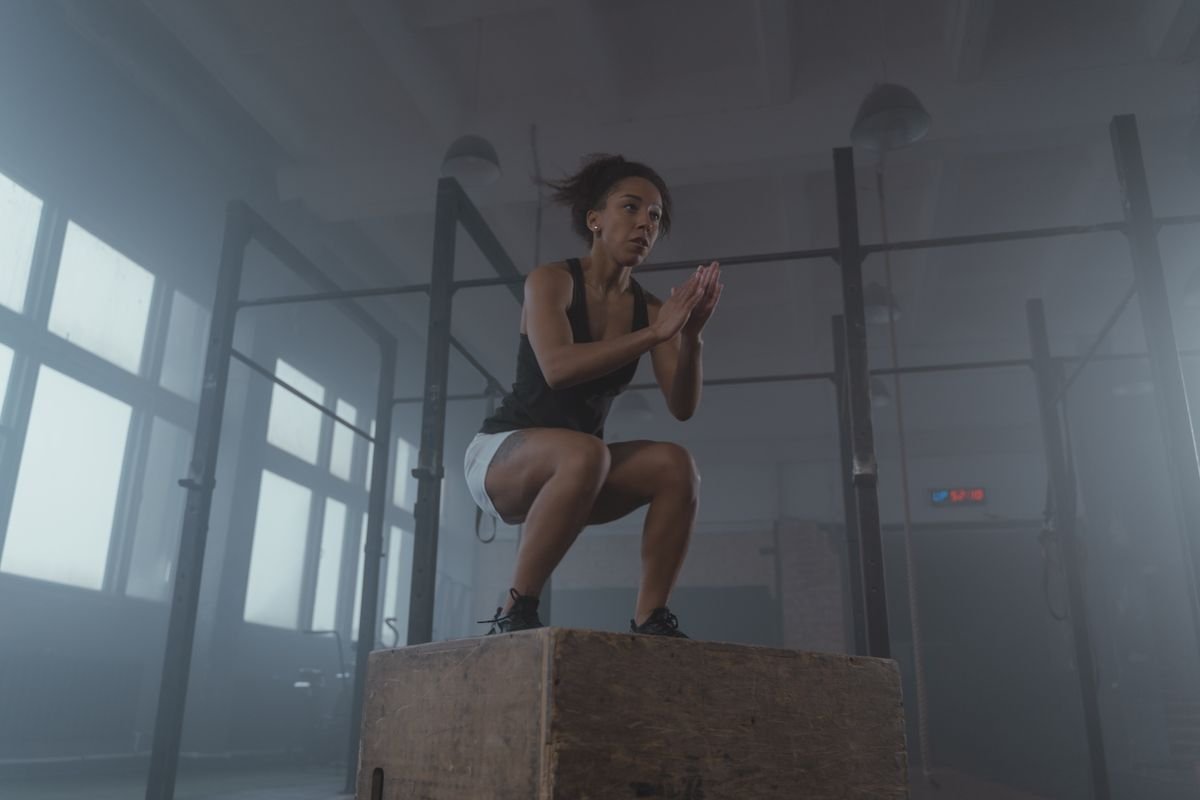
Plenty of people walk into the gym in running shoes and never think twice, until the first heavy squat. Soft, high running foam is built to absorb impact while moving forward, which is exactly what you do not want under a loaded bar or during quick side steps. The foot sinks, the ankle wobbles and the lift feels less solid than it should. A pair of cross training shoes fixes that with a flatter, firmer base and grip that works in every direction.
What Changes Between Running and Training Shoes
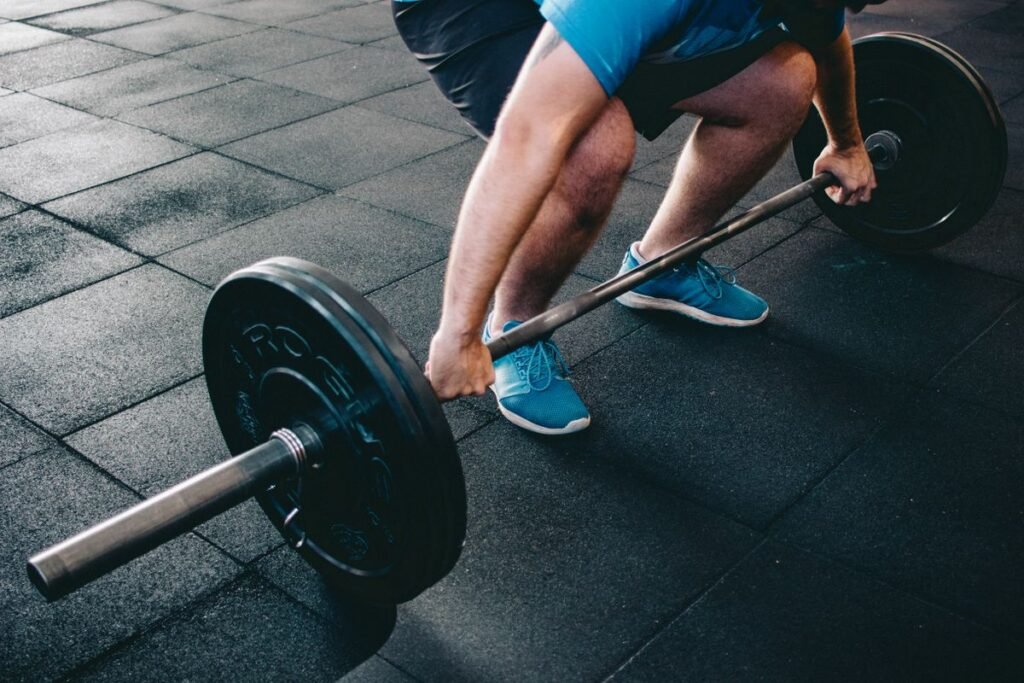
Running shoes are shaped for one motion repeated thousands of times. Training shoes have to handle many motions done a few times each: a deadlift, a box jump, a lateral shuffle, a burpee, a short sprint. That changes three things. The midsole is lower and steadier so force goes into the floor rather than into the foam. The outsole wraps up the sides of the shoe for grip and durability during rope climbs and lateral work. And the upper holds the foot more firmly so it does not slide during quick changes of direction.
Match the Shoe to the Workout
| Workout | What the shoe needs | Pick to look at |
|---|---|---|
| Heavy lifting | Low, stable platform and a barefoot-friendly feel | Minimus TR v2 |
| HIIT and circuits | Secure lockdown and grip for fast direction changes | Minimus TR BOA v2 |
| Group classes | Responsive cushioning with traction for jumps | CTLYST |
| All-day wear and light training | Durable cushioning and a supportive upper | 608v5 |
| Gym days that end with a run | Plush cushioning with stable rails | AC Runner |
If most sessions mix two of these, choose for the movement that would hurt more to get wrong. For most people that is lifting.
The Five Shoes
Each of these comes from the dedicated gym shoe line rather than the running wall.
Minimus TR v2
The lifter’s choice. Minimus construction keeps you close to the floor, midfoot rubber wraps add protection and grip during rope climbs and transitions, and a herringbone pattern in the forefoot and heel bites into gym flooring. It is the most minimal shoe here, which is exactly the point under a barbell.
Minimus TR BOA v2
The same barefoot-friendly internal construction with a dual-density underfoot setup and FuelCell foam that contains roughly three per cent bio-based content. The BOA dial tightens the fit evenly in seconds, which helps when a circuit has you moving from jumps to lunges to sled pushes without a break. It weighs about 212 grams.
CTLYST
A women’s trainer built for class formats. A DynaSoft midsole gives a responsive feel, the higher stack height adds underfoot cushioning for jump-heavy sessions, and a rubber pod outsole is placed for traction. The sculpted midsole and flex grooves let the foot bend naturally through lunges.
608v5
The classic all-day trainer. A leather upper, a lightweight injection-molded EVA midsole and a Phantom Liner interior with minimal seaming make it comfortable for long days on your feet as well as light gym work. It is also sold in a slip-resistant version for work settings.
AC Runner
For sessions that finish on the treadmill. A Fresh Foam X midsole uses three levels of foam firmness, with firm rails along the sides for stability, so it runs better than a pure trainer while still feeling steady on the gym floor.
Fit and Care Tips
- Try trainers on with the socks you lift in; a snug midfoot matters more than extra toe room.
- Keep training shoes for the gym. Outdoor miles wear the outsole and pick up grit that slips on smooth floors.
- Replace them when the heel starts to compress unevenly, because a tilted base undoes the stability you bought them for.
How Long Do Training Shoes Last?
It depends on how hard you train, but a pair used three or four times a week usually holds up well for many months. The outsole wears first on the forefoot and the outside of the heel, especially if your sessions include rope climbs, sled pushes or lots of burpees. Watch the midsole too: if the foam starts to look creased or uneven, the shoe is no longer giving you a flat, stable base. That is the moment to replace it, even if the upper still looks fine.
The Bottom Line
A stable shoe makes every lift feel more solid and every jump land more cleanly. Choose by the workout you do most, keep the pair for training only, and the right training shoes for the gym will last for many seasons.
These trainers are made by New Balance. For more quick reads on fitness and everyday kit, head over to 2minuteread.